

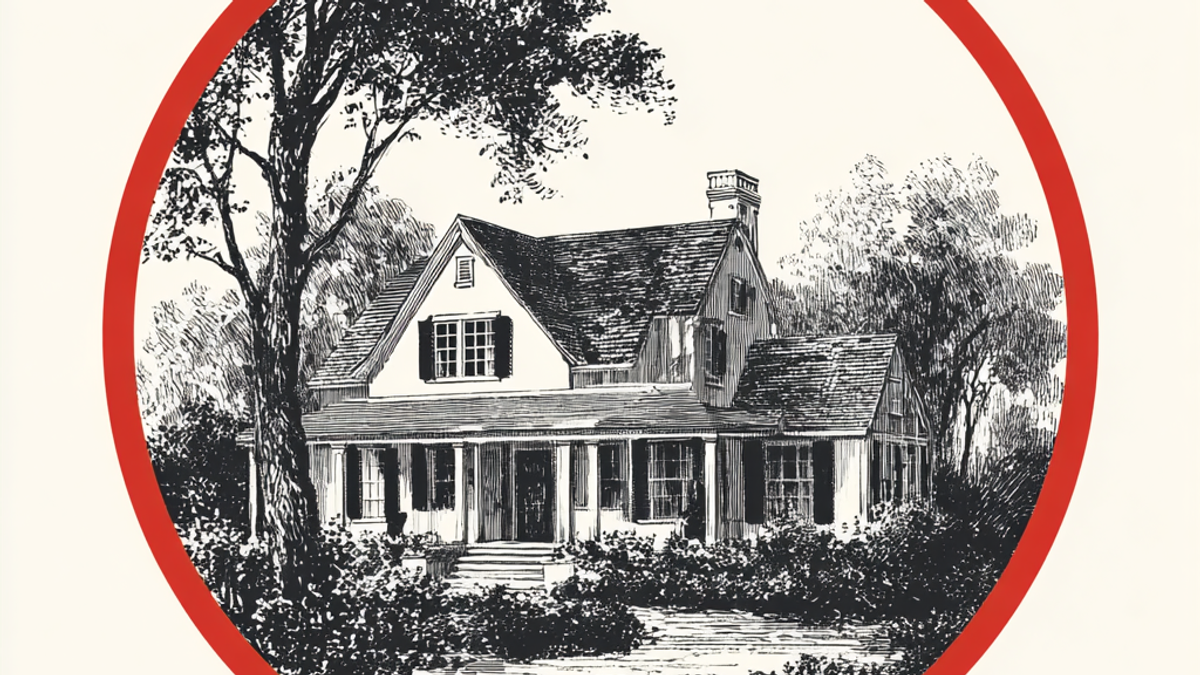
🌪️ Storm Damage Roof Repair: What Homeowners Need to Know in 2025
🌪️ Storm Damage Roof Repair: What Homeowners Need to Know in 2025
When severe weather hits, your roof is the first line of defense for your home. From heavy rains and hail to strong winds and fallen branches, storm damage can compromise your roof’s integrity and lead to costly repairs if not addressed promptly.
This guide breaks down what homeowners need to know about identifying storm damage, navigating insurance claims, and hiring professional repair services in 2025.
Common Types of Storm Damage
Understanding the types of damage storms can cause helps homeowners act quickly and protect their property. Common issues include:
Hail Damage
- Causes dents, cracks, or broken shingles.
- Can reduce your roof’s lifespan and void warranties.
- Often difficult to spot from the ground.
Wind Damage
- High winds can lift or tear off shingles, expose underlayment, or damage flashing.
- Roof edges and ridges are especially vulnerable.
Fallen Debris
- Tree limbs, branches, or other objects can puncture or dent your roof.
- Heavy debris can also cause structural damage beneath shingles.
Water Infiltration
- Storms can lead to leaks, causing water damage to the attic, insulation, and ceilings.
- Even minor leaks, if left unrepaired, can cause mold and rot.
Ice and Snow Damage (in colder regions)
- Ice dams can form on eaves, forcing water under shingles.
- Melting snow can saturate roofing materials and weaken structure.
Signs Your Roof Needs Immediate Attention
After a storm, inspect your home for these warning signs:
- Missing, cracked, or curled shingles.
- Dents or punctures in metal flashing or gutters.
- Water stains on ceilings or walls.
- Granules in gutters (common after hail).
- Sagging rooflines or damaged soffits.
Safety Tip: Never climb on a wet or unstable roof. Use binoculars or hire a professional for inspections.
Navigating Insurance Claims
Storm damage is often covered by homeowner’s insurance, but the process can be confusing. Steps to take:
Document the damage – Take photos from multiple angles, noting dates and severity.
Contact your insurer quickly – Most companies require prompt reporting.
Get professional assessments – Licensed roofers can provide detailed estimates for repairs.
Keep records – Save all estimates, invoices, and communications with contractors and insurers.
Pro Tip: Avoid signing contracts or making payments until your insurance claim is approved.
Choosing the Right Roof Repair Professionals
Not all roofing companies are equal, especially when it comes to storm damage repairs. Look for:
- Licensed and insured contractors – Protects you in case of accidents.
- Experience with insurance claims – Some companies can assist with claim documentation.
- Local expertise – Familiarity with regional storms and building codes.
- Positive reviews and references – Past client satisfaction is a strong indicator of quality.
Cost of Storm Damage Repairs in 2025
The cost depends on the damage type, roof size, and materials:
- Minor repairs (shingle replacement, patching leaks): $300–$1,500
- Moderate repairs (partial replacement, flashing repair): $1,500–$5,000
- Major repairs or full replacement: $8,000–$18,000
Insurance coverage often offsets these costs, but homeowners should be prepared for deductibles and potential out-of-pocket expenses.
Preventative Measures
While storms can’t be controlled, proactive steps help minimize future damage:
- Trim overhanging trees near your roof.
- Maintain and inspect your roof regularly.
- Install impact-resistant shingles in hail-prone areas.
- Consider storm straps or reinforced roofing systems for wind-prone regions.
Final Thoughts
Storm damage is stressful, but acting quickly and hiring qualified professionals can save you time, money, and headaches. From documenting damage to working with your insurance company, preparation and knowledge are key.
👉 Don’t wait until minor damage turns into a major repair. Get free quotes from trusted local roofing experts today and ensure your home stays safe and secure, no matter what the next storm brings.